Early Signs of Diabetic Eye Disease You Should Not Ignore

Early Signs of Diabetic Eye Disease You Should Not Ignore

Early Signs of Diabetic Eye Disease You Should Not Ignore

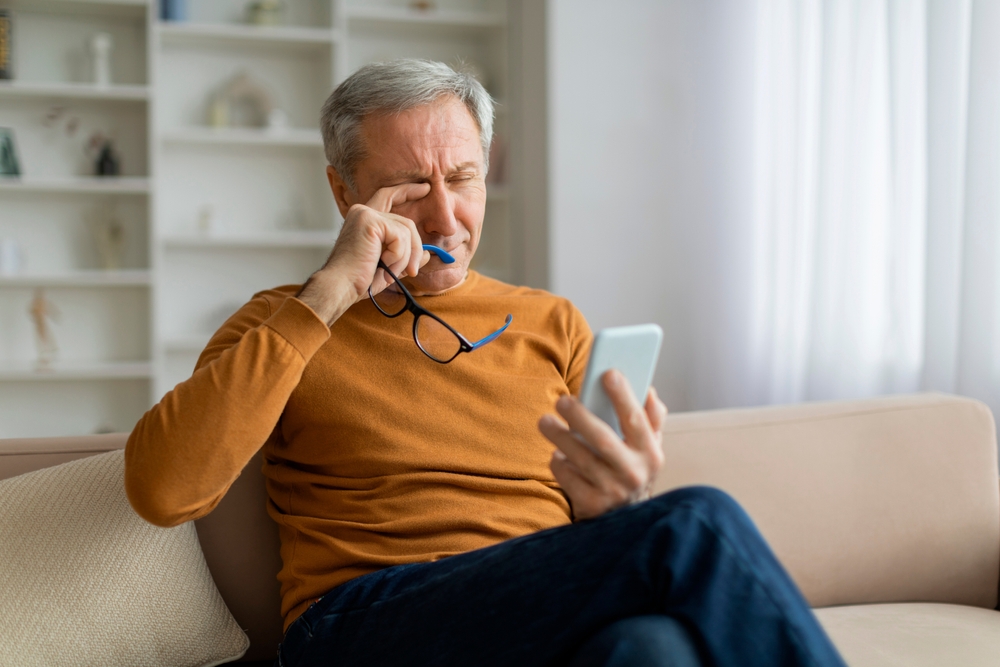
Living with diabetes means balancing many aspects of your health. From managing blood sugar to staying active, there is a lot to think about. But one area that often changes without warning is your vision. Diabetic eye disease, including diabetic retinopathy, can develop slowly and without symptoms.
Let us talk about the early warning signs of diabetic eye disease, why they happen, and what steps you can take to protect your vision.
Why Diabetes Affects Your Eyes
High blood sugar over time can harm the blood vessels in the retina, which is the part of your eye that senses light. This damage is called diabetic retinopathy. Early on, these vessels may leak fluid or blood. If you do not seek treatment, new, abnormal blood vessels can form and lead to more serious vision problems.
The most important thing is to catch any changes early. Diabetic eye disease often starts without obvious symptoms, especially at first. That’s why it’s so important to have regular eye exams.
What to Watch For: Key Warning Signs
While diabetic eye disease often starts with no symptoms, there are some early signs you might notice. Here are the key signals to keep an eye on:
Blurred or Fluctuating Vision: If your vision seems to go in and out of focus, especially during the day or after periods of high blood sugar, it could be a sign of fluid leaking into the retina (macular edema).
Floaters or Spots: You might see dark strings or cobweb-like shapes in your vision. This is often caused by blood leaking into the gel-like substance inside your eye. A few floaters are normal, but if you notice a sudden increase, it is time to see your eye doctor.
Dark or Empty Spots: If you see dark spots or areas of your vision that seem to be missing, it might indicate bleeding or reduced blood flow to the retina. These gaps in vision need to be taken seriously.
Difficulty Seeing Colors: If colors appear washed out or faded, this could be an early sign of damage to the retina.
Poor Night Vision: Struggling to see clearly in low light or at night can be a subtle sign of retinal changes caused by diabetes.
If you notice any of these signs, do not wait. Early intervention is key.
Why Regular Eye Exams Matter
The most important thing you can do is schedule regular, comprehensive eye exams. Even if you do not notice any changes in your vision, an eye exam helps detect early signs of damage.
An eye care professional can spot tiny changes in the retina before they become serious. With early treatment, the progression of diabetic eye disease can often be slowed or stopped.
What You Can Do Right Now: A Simple Action Plan
The good news is that you can take steps to protect your vision, starting today. Here is your simple action plan:
Schedule Your Annual Eye Exam: Even if your vision feels fine, this is a non-negotiable part of managing your eye health. Regular eye exams help catch problems early, so you can stay ahead of any changes.
Control Your Blood Sugar: Keeping your blood sugar in check is one of the best ways to protect your eyes. Work with your doctor to manage your A1C, blood pressure, and cholesterol.
Take Care of Your Eyes: If you notice any changes, even subtle ones, do not wait for your next eye exam. Call your eye doctor right away to get checked.
Protect Your Vision from Smoking: Smoking can worsen diabetic eye disease, so if you smoke, quitting is one of the best things you can do for your eye health.
For more on the early signs of diabetic eye disease, visit the Eye Center of Brookings at our Brookings, Oregon, office. To book an appointment today, call (541) 469-6923.
https://www.mayoclinic.org/diseases-conditions/diabetic-retinopathy/symptoms-causes/syc-20371611
https://www.mayoclinic.org/diseases-conditions/diabetic-retinopathy/symptoms-causes/syc-20371611


Our Services
Contact Info
Phone: (541) 469-6923
Fax: (541) 469-6769
Fax: (541) 469-6769
Hours of Operation
- Monday 8:00 AM - 5:00 PM
- Tuesday 8:00 AM - 5:00 PM
- Wednesday 8:00 AM - 5:00 PM
- Thursday 8:00 AM - 5:00 PM
- Friday 8:00 AM - 5:00 PM
- Saturday Closed
- Sunday Closed
© 2025 Eye Center of Brookings. All rights Reserved. Accessibility Statement - Privacy Policy - Sitemap
Powered by: